
Why Strength Training Could Be One of the Best Things You Do During Menopause
If you're navigating perimenopause or menopause, you might have been told to "exercise more." But just moving more can be too vague; the type of exercise does matter.
As oestrogen levels decline, our bodies naturally begin to lose muscle and bone density. This can contribute to symptoms like:
Achy Joints
Reduced energy
Weight gain (particularly around the middle)
Poor balance
Everyday tasks becoming more challenging
The good news? Regular strength training can help.
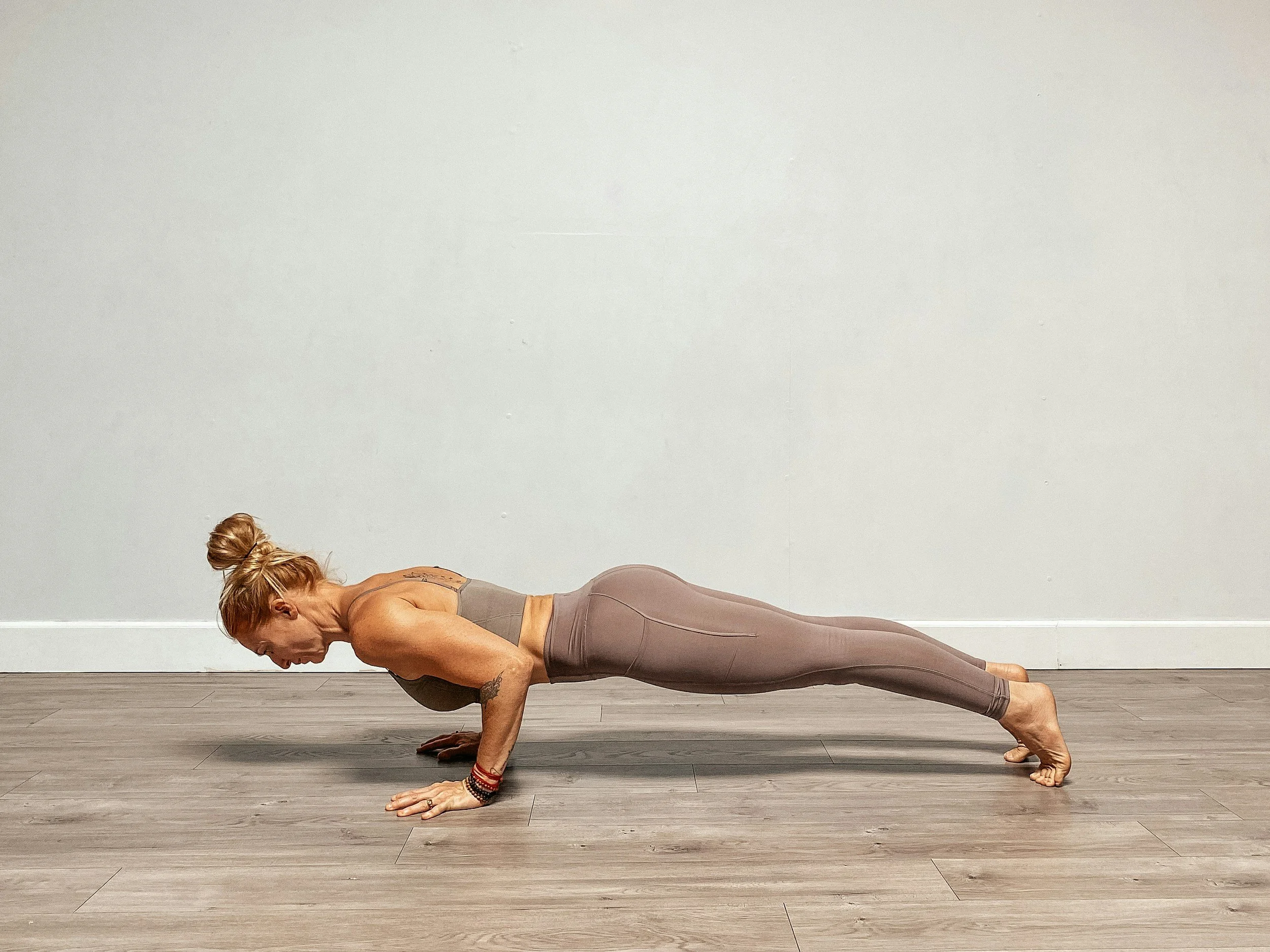
When we think about strength training, many people picture heavy dumbbells or barbells. But strength can be built in lots of different ways, including using your own bodyweight. If lifting heavy weights isn’t for you, try a fitness approach that uses high repetitions, controlled movements, and time under tension to challenge your muscles.
This style of training develops muscular endurance, your muscles' ability to work for longer before fatiguing. It also improves stability, posture, and control by strengthening the smaller muscles that support your joints, as well as the larger muscles that help you move.
Research shows that regular resistance training can:
Help improve muscle mass and strength as we age.
Maintain bone health by placing healthy stress through the skeleton.
Improve balance and reduce the risk of falls.
Manage weight gain by increasing muscle mass and working the cardiovascular system
If you’re wondering how bodyweight strength training can be challenging enough to see results, changing your range of motion, tempo, or adding balance drills can progress exercises as you become stronger, without needing to lift heavy weights.
Curious about trying this type of training? I run a Core & Strength class at Underriver Village Hall every Wednesday at 9:15-10 am. You can even try the first session for free! I guarantee all my clients, no matter their level, will leave class feeling stronger and more confident in their bodies.
Send me a message at movewithgee.pt@gmail.com
Sources: NHS Menopause Guidance, NICE Guideline NG23 (Menopause: Identification and Management), American Council on Exercise (ACE) Menopause Training Resources, Chartered Society of Physiotherapy (CSP) guidance on physical activity and healthy ageing.
